
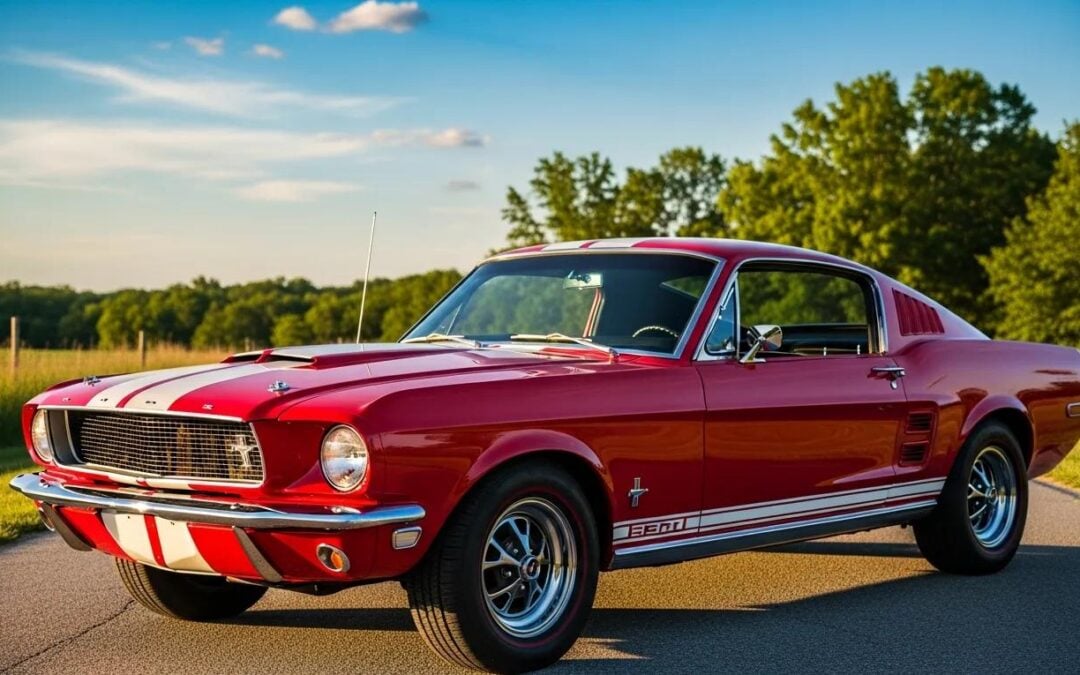
Ultimate Guide to Buying a Ford Mustang

The Ultimate Ford Mustang Buying Guide — Practical Tips from Classic-Car Pros
Buying a Ford Mustang is thrilling, but it can also be overwhelming without the right know‑how. This guide gives clear, practical advice to help classic‑car buyers spot value, avoid common pitfalls, and choose the right Mustang for their goals. We cover the features that matter, the model years collectors favor, and why quality restoration services make a big difference. Follow these tips to make smarter decisions and enjoy your Mustang for years to come.
Comprehensive Guide for Buying a Ford Mustang for Classic Car Enthusiasts
Understanding the Mustang market and what makes each car desirable is essential. Classic enthusiasts should prioritize authenticity, overall condition, and realistic restoration potential. The Mustang’s history is full of subtle differences between model years — knowing those details will help you spot a great buy. Work with experienced sellers, seek expert appraisals when unsure, and remember that professional restoration services protect long‑term value.
Key Features to Consider
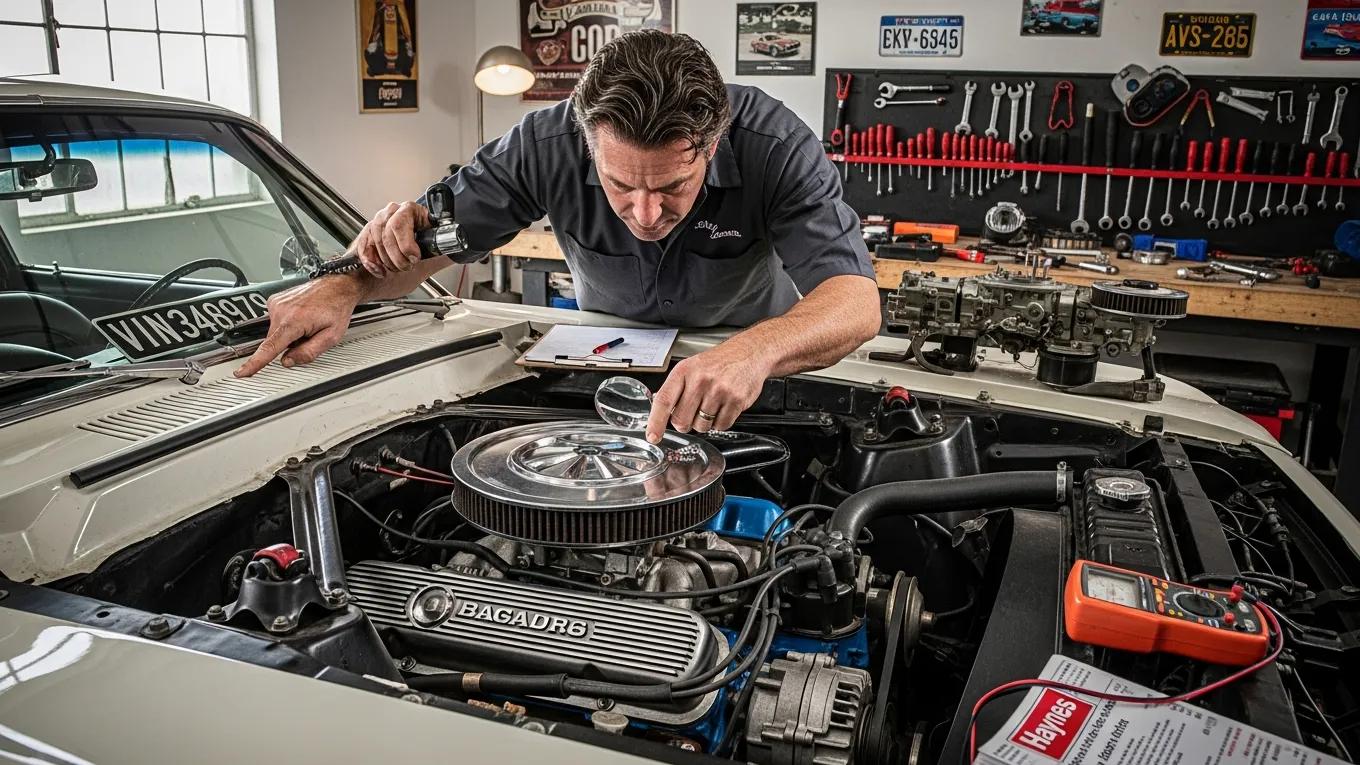
When evaluating a Mustang, focus on a few high‑impact items that tell you about originality and future costs.
- Authenticity Verification: For first‑generation Mustangs (1964½–1973), compare VIN stamps to engine casting numbers and factory tags to confirm originality.
- Rust Inspection: Look closely at common trouble spots — the cowl, floor pans, torque boxes, and rear leaf spring mounts — to assess repair needs and cost.
- Transmission Type: Manual transmissions typically command a premium (10% or more) over automatics and are more sought after by collectors.
These checks will help you judge value and estimate restoration work more accurately.
Best Years to Buy
Certain Mustang years are consistently popular for their looks and performance — knowing which years align with your goals narrows your search.
- 1965-1966: A great entry point — affordable, classic styling, and solid appreciation potential.
- 1967-1968: Fastbacks from these years are favorites for restomods, pairing classic lines with modern upgrades.
- 1969-1970: The performance era — models like the Boss 302 and Mach 1 are highly prized by collectors.
Matching year, body style, and your intended use (show car, driver, or restomod) makes it easier to find the right Mustang.
Market Trends
The Mustang market shifts with new collector demographics and evolving tastes.
- Generational Shifts: Younger buyers — including many Millennials and Gen Z collectors — are fueling demand for certain classic models.
- Restomod Popularity: Well‑executed restomods that combine vintage aesthetics with modern drivability are increasingly valuable and popular.
Tracking these trends helps you time purchases and prioritize features that buyers will value later.
Effective Purchasing Strategies
Use these practical strategies to reduce risk and secure a Mustang that fits your budget and goals.
- Professional Appraisal: Hire a certified appraiser experienced with classic cars to get an accurate valuation and condition report.
- Budgeting: Add roughly 30% to your initial budget to cover unexpected repairs, parts, or restoration work.
- Documentation: Keep detailed records of repairs and modifications — a clear history boosts value and buyer confidence.
Following these steps will make the buying process smoother and protect your investment.
Which Ford Mustang Model Years Are Best for Restoration?
Some model years are easier to restore because parts are plentiful and the designs are well supported by the aftermarket. Late‑1960s Mustangs — especially 1967–1970 — are popular restoration candidates: they offer iconic styling, strong aftermarket support, and clear collector demand. That combination makes them good choices if you plan a full restoration.
For expert restoration work on these models, Wilson Auto Repair provides tailored services to bring classic Mustangs back to showroom condition.
How Do Engine Types and Features Vary Across Mustang Model Years?
Mustang engines and features evolved notably over the decades, so pick a year that matches your performance and comfort expectations.
- Performance Differences: Early Mustangs often came with inline‑six engines; by the late‑1960s, V8s became the performance standard that many collectors seek.
- Feature Variations: Later models added conveniences like power steering, air conditioning, and upgraded audio — useful if you value comfort alongside classic style.
Knowing these differences helps you choose a Mustang that fits your driving preferences and restoration goals.
What Are the Key Considerations When Comparing Mustang Model Years?
When comparing years, concentrate on factors that affect cost, drivability, and future value.
- Features and Performance: Match the car’s factory options and powertrain to how you plan to use it.
- Restoration Potential: Check parts availability and the car’s current condition to estimate scope and cost.
- Rust Considerations: Some years are more rust‑prone — factor corrosion repair into your decision.
Weighing these elements helps you pick the model year that best fits your budget and intent.
What Should You Inspect Before Buying a Used Ford Mustang?
A careful inspection is critical before you buy. Prioritize these areas:
- Verify Authenticity: On first‑generation Mustangs (1964½–1973), check VIN stamps versus engine casting numbers for originality.
- Inspect for Rust: Examine known weak points thoroughly — rust can be an expensive surprise.
- Get a Professional Appraisal: A qualified appraiser familiar with collector cars will help you avoid overpaying or missing hidden issues.
These steps reduce risk and give you confidence in your purchase.
How to Use a Pre-Purchase Inspection Checklist for Ford Mustangs
A checklist keeps the inspection focused and consistent so nothing important is missed.
- Checklist Items: Include engine condition, transmission operation, suspension, body integrity, and electrical systems.
- Importance of Thorough Inspection: A detailed check often uncovers hidden problems that affect safety, drivability, and restoration cost.
Use a checklist and, when in doubt, have a trusted shop perform a professional inspection.
Which Common Issues Should You Look for in Classic Mustangs?
Classic Mustangs commonly show a few recurring issues — know them before you buy.
- Mechanical Issues: Watch for signs of engine wear, oil leaks, and transmission problems that indicate costly repairs.
- Electrical System Problems: Old wiring and corroded connectors can cause intermittent faults and expensive fixes.
Spotting these problems early will help you negotiate price and plan repairs.
What Classic Car Restoration Services Does Wilson Auto Repair Offer in Dallas-Fort Worth?
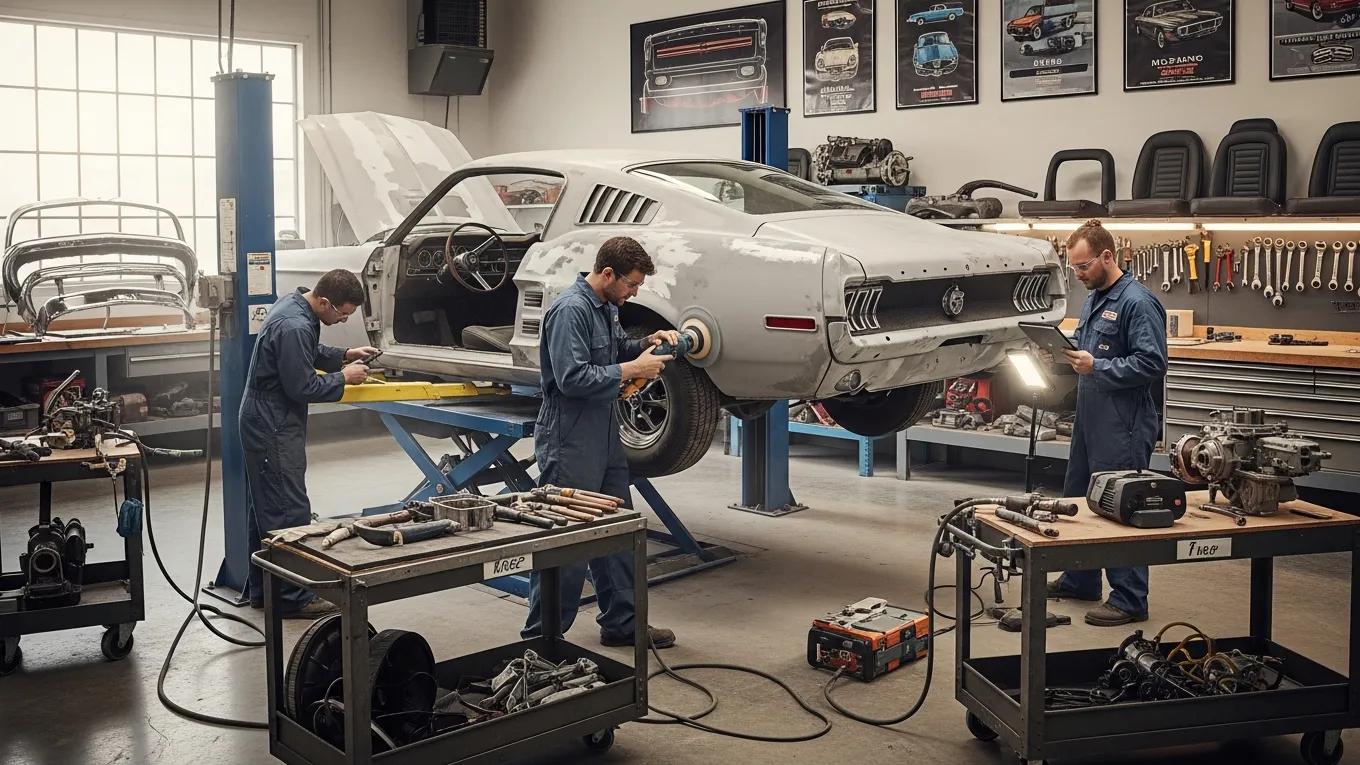
Wilson Auto Repair specializes in classic‑car restoration with a strong focus on Ford Mustangs. Our core services include:
- Complete Classic Car Restoration: Full restorations tailored to your specifications, from rotisserie work to final trim.
- Muscle Car Restoration: Detailed work to return muscle cars to period‑correct or show‑quality condition.
- Restomod Services: Thoughtful upgrades that bring modern reliability and performance while keeping classic style.
These services are built for collectors and drivers who want quality, authenticity, and long‑term value.
How Does Wilson Auto Repair Specialize in Ford Mustang Restoration?
Wilson Auto Repair brings specialized Mustang experience to every project.
- Frame-Off Restoration: Full disassembly and rebuilds that restore structure, fit, and finish to factory standards.
- Master Craftsmanship: With over 40 years of restoration experience, our team delivers meticulous, reliable results.
- Authentic Restoration: We prioritize period‑correct parts and techniques to preserve each Mustang’s original character.
That combination of experience and attention to detail is why owners trust us with their classics.
What Are the Latest Restoration Technologies and Techniques Used?
Modern tools and materials make restorations more precise and durable than ever.
- Innovative Restoration Techniques: Technologies like 3D scanning and CAD enable accurate reproductions and fitment of rare parts.
- Modern Materials Used: Upgraded materials and coating systems increase longevity while preserving original appearance.
These advances help us deliver restorations that look authentic and perform reliably on today’s roads.
How Much Does Ford Mustang Restoration Cost and What Is Its Value Retention?
Restoration costs vary widely depending on goals and starting condition.
- Cost Estimates for Different Restoration Levels: Entry‑level restorations often start around $35,000 to $50,000; mid‑range work can be $75,000 to $125,000; high‑end, turnkey restorations may range from $150,000 to $500,000 or more.
- Factors Influencing Restoration Costs: Condition, parts quality, and the level of finish all affect final cost.
Knowing these ranges helps set realistic budgets and expectations for value retention post‑restoration.
What Are Typical Cost Estimates for Mustang Restoration Projects?
Typical restoration budgets fall into three tiers to help plan your project.
- Entry-Level Restorations: Professional restomod starts around $35,000 to $50,000.
- Mid-Range Restorations: More comprehensive work typically runs $75,000 to $125,000.
- High-End Restorations: Show‑quality, turnkey builds can cost $150,000 to $500,000 or more.
Use these tiers to frame conversations with shops and set priorities for your build.
How Does Restoration Impact the Resale Value of Classic Mustangs?
The quality of a restoration strongly influences a Mustang’s resale value.
- Restoration Quality and Resale Value: High‑quality, well‑documented restorations generally command higher prices and broader buyer interest.
- Market Trends Affecting Value Retention: Pay attention to current collector demand and market timing when you consider selling a restored car.
Investing in quality workmanship and thorough documentation is the best way to protect and maximize your Mustang’s value.