
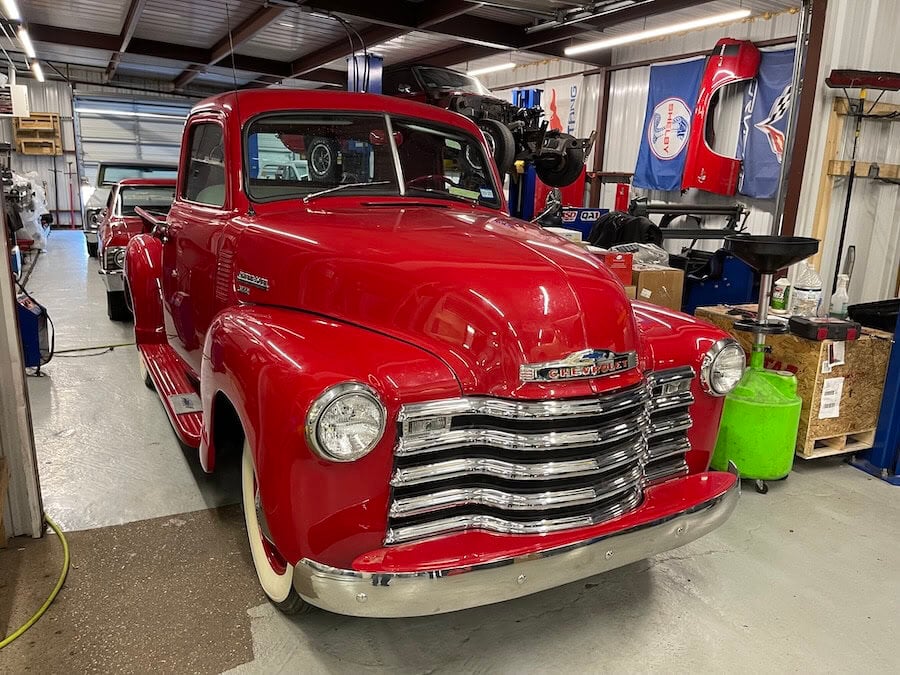
That Chevy pickup in the garage—the one your grandfather drove to work every day, or the one you spotted at a car show and can’t stop thinking about—represents more than transportation. Classic Chevy trucks carry decades of American history, family memories, and some of the most iconic styling ever put on four wheels.
Maybe you inherited one. Maybe you’ve been searching for years. Or maybe you just drove past a rusted-out C10 and felt something stir.
You’re not alone. Classic Chevrolet trucks remain among the most sought-after collector vehicles in America, with values climbing steadily over the past decade. But which generations are most popular? What makes each one special? And what should you know before starting your own restoration project?
At Wilson Auto Repair, we’ve spent over 40 years working on classic Chevy trucks in the Dallas area. We’ve seen barn finds transformed into show winners and family heirlooms brought back to life. This guide covers the five most popular classic Chevy truck generations, what makes each one worth restoring, and practical insights from four decades of keeping these trucks on the road.

The Five Generations That Define Classic Chevy Trucks
When enthusiasts talk about classic Chevy trucks, they’re typically referring to pickups built between 1947 and 1987. These five generations established Chevrolet as America’s truck leader and created the designs that collectors still chase today.
Each generation brought innovations that changed the industry. Each developed its own passionate following. Understanding what makes each special helps you choose the right classic Chevy truck for your garage and your goals.
Advance Design (1947-1955): Where the Legend Began
The Advance Design series launched on June 28, 1947, and immediately established Chevrolet as America’s bestselling truck brand. That leadership position held throughout this generation’s entire production run.
What makes them special:
The five-bar horizontal grille (1947-1953) remains one of the most recognizable truck designs ever created. These classic trucks introduced “Unisteel” welded cab construction that could seat three passengers comfortably, which was a major advancement over cramped previous designs.
The 1954-1955 models brought a curved single-piece windshield that modernized the look while maintaining that honest, working-truck appeal that defines the era.
Under the hood, the Thriftmaster inline-six (216.5 cubic inches, 90 horsepower) earned a reputation for bulletproof reliability that mechanics still respect today. The larger Loadmaster six arrived in 1954 with 235 cubic inches and 112 horsepower.
Why collectors love them:
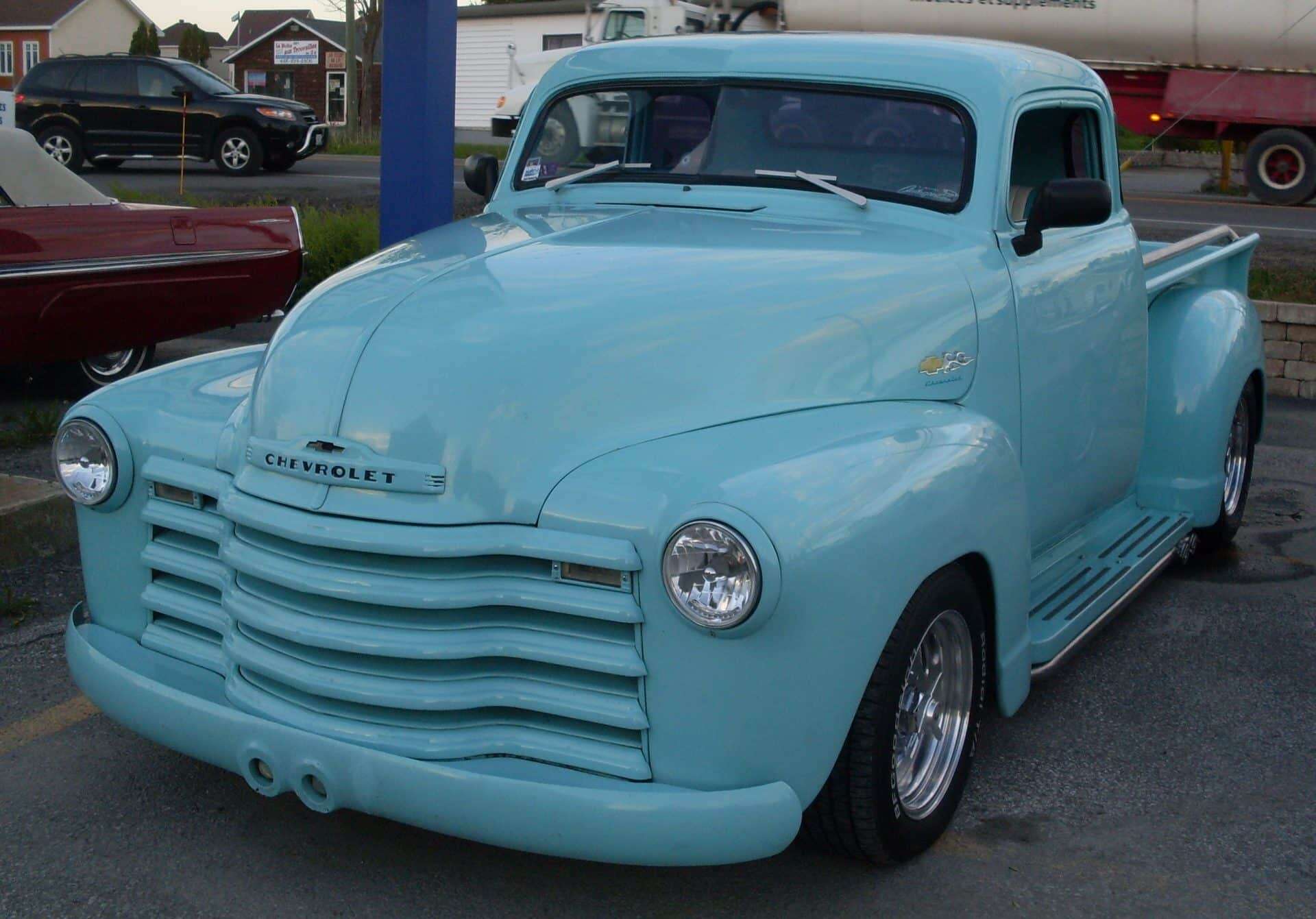
Advance Design trucks represent the golden age of American truck design. Their simple, honest styling photographs beautifully and turns heads at any car show. The mechanical simplicity with no computers and no complex electronics makes them approachable for home mechanics and professional restorers alike.
Available configurations include the 3100 (half-ton), 3600 (three-quarter-ton), and 3800 (one-ton), with body styles ranging from pickups to panel trucks, Suburbans, and canopy express models.
Task Force (1955-1959): The Innovation Generation
The Task Force series brought innovations that changed Chevrolet trucks forever. This generation introduced the first wraparound windshield ever fitted to a production truck, the first V8 engine option, and the first power steering and power brakes available in GM trucks.
What makes them special:
The legendary small-block V8 debuted in 1955 with 265 cubic inches and 162 horsepower. This engine family would eventually power over 100+ million vehicles and remains one of the most significant powerplants in automotive history.
The Cameo Carrier (1955-1958) deserves special attention. With fiberglass bed sides creating a smooth, car-like appearance, the Cameo pioneered the “Fleetside” look that would define truck styling for decades. Only 10,000 Cameos were ever built, making them highly sought after today.
Task Force trucks also brought the first 12-volt electrical system in Chevy trucks, factory air conditioning (starting 1958), and NAPCO four-wheel-drive conversions that command serious premiums at auction.
Why collectors love them:
The combination of classic 1950s styling with genuine V8 performance makes Task Force trucks incredibly versatile. They’re equally at home at a cruise night, a car show, or actually working. The Apache, Viking, and Spartan series names add character that modern trucks simply can’t replicate.
C/K First Generation (1960-1966): The Modern Classic
The 1960 redesign revolutionized truck design with a drop-center frame that lowered cab height by up to seven inches. The result was a more car-like stance that made these classic Chevrolet trucks comfortable for daily driving while maintaining serious work-truck capabilities.
What makes them special:
This generation introduced the C/K naming system still recognized today: C for two-wheel drive, K for four-wheel drive, with 10, 20, and 30 indicating half-ton, three-quarter-ton, and one-ton ratings.
The first factory-offered four-wheel-drive option eliminated expensive aftermarket conversions. Independent front suspension (five years before Ford’s Twin I-Beam) dramatically improved ride quality.
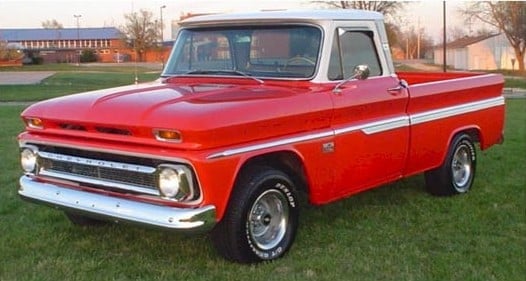
Engine options expanded throughout the generation. By 1965, the potent 327 cubic-inch V8 produced 220 horsepower and 320 lb-ft of torque.
Why collectors love them:
The 1960-1966 trucks bridge classic styling and modern drivability. They’re comfortable enough for regular use but distinctive enough to stand out anywhere. That independent front suspension makes them genuinely pleasant to drive—not just display.
Action Line (1967-1972): The Collector’s Favorite
The 1967-1972 “Action Line” trucks, designed by Harry Bradley, are the most popular generation among collectors today. Hagerty ranks them among their top 10 most-insured collector vehicles. Values have approximately doubled in the past five to seven years.
What makes them special:
The clean, integrated styling eliminated the previous generation’s pinched-waist design. Most C10 and C20 models received coil spring rear suspension for dramatically improved ride quality. The double-walled steel pickup box added durability these trucks needed for real work.
Performance options expanded significantly. The 350 cubic-inch V8 (around 255 horsepower) became the go-to choice. The 396 cubic-inch big-block (325 horsepower, 410 lb-ft of torque) is the same engine found in the Chevelle SS and satisfied those wanting serious power.
The K5 Blazer debuted in 1969, launching GM’s legendary SUV line. Front disc brakes became standard on all light-duty trucks starting 1971. The Cheyenne and Cheyenne Super trims, introduced that same year, remain the most valuable configurations.
Why collectors love them:
These trucks hit the sweet spot. They’re old enough to turn heads but new enough to be reliable daily drivers with proper maintenance. The massive aftermarket means you can find virtually any classic Chevy truck part you need, from sheet metal to complete drivetrains.
Squarebody (1973-1987): The Longest-Running Legend
The “Squarebody” represents the longest-running truck design in Chevrolet history at 15 years. GM sold over one million units in the first year alone.
What makes them special:
Wind tunnel-tested styling brought 20 percent more glass area than the previous generation. The first Crew Cab option arrived for buyers needing to haul more than cargo. The “Big Dooley” dual rear wheel option handled heavy loads. The 454 cubic-inch big-block V8 (240 horsepower) became available in light trucks for the first time.
The Silverado trim level, introduced in 1975, eventually became the standalone nameplate we know today. Production continued as the R/V series through 1991 for one-ton models, K5 Blazer, and Suburban.
Why collectors love them:
Squarebodies offer the most truck for your money in the classic market. They’re plentiful. Restoration parts are everywhere. They’re rugged enough to actually use. The 15-year production run means finding the exact configuration you want, from basic work truck to loaded Silverado, is entirely achievable.
Why Classic Chevy Trucks Dominate the Restoration Market
Several factors combine to make classic Chevy trucks among the most restoration-friendly vehicles you can choose for your project.
Unmatched Parts Availability
The aftermarket for classic Chevy trucks is massive. LMC Truck maintains an extensive inventory of over 30,000 parts covering 1947-2013 trucks. Classic Industries, Brothers Truck Parts, Jim Carter Truck Parts, and Classic Parts of America collectively ensure that nearly every restoration part remains available.
Whether you need OEM reproduction panels, new old stock components, or quality aftermarket alternatives, classic Chevy truck parts exist. This availability makes these trucks ideal for first-time restorers and experienced builders alike.
Mechanical Accessibility
Pre-1973 trucks feature straightforward inline-six and small-block V8 engines without computer controls. Body-on-frame construction simplifies repairs. Large engine bays accommodate modern powerplants with minimal modification if you decide to build a restomod.
Chevrolet and GMC Interchangeability
Chevrolet and GMC trucks share substantial parts interchangeability within each generation. This doubles your options when searching for components and can significantly reduce restoration costs.
The Restomod Revolution: Classic Style, Modern Performance
The restomod approach that combines classic styling with modern reliability has transformed how many enthusiasts approach their restoration project.
Why Restomods Have Exploded in Popularity
Modern LS engine swaps have become the definitive upgrade. Compatible engines include the LS1, LS2, LS3, and various Vortec truck engines. Complete bolt-in swap kits make the conversion accessible for experienced home builders.
LS-swapped C10s typically command 30-50 percent premiums over comparable stock trucks. Supercharged builds regularly sell for six figures at auction.
Popular Modern Upgrades
Beyond engine swaps, common restomod improvements include disc brake conversions for dramatically improved stopping power, modern suspension with coilover kits, electronic fuel injection using aftermarket systems, climate control with Vintage Air, and modern transmissions like the 4L60E or 4L80E automatic.
These upgrades create classic trucks that look period-correct but drive like modern vehicles.
What to Look for When Buying a Classic Chevy Truck
Before purchasing any classic Chevy truck, pay special attention to these areas.
Critical Rust Inspection Points
The 1967-1972 trucks have well-documented rust-prone areas.
Rocker panel replacement is almost guaranteed on unrestored trucks. Cab corners form a trouble spot where floor and door panel meet and are almost always compromised on original trucks. Floor pans take a beating over decades and are rarely rust-free. Rear wheel wells are particularly prone to rot from road spray.
Check drain holes at the front of cab. Look for silicone caulking hiding damage. Examine areas behind rubber seals where moisture collects.
Drivetrain Evaluation
Compression tests reveal engine health. Listen for rod knock, valve train noise, and unusual sounds. Check transmission operation in all gears. Inspect differential for leaks and noise.
Documentation Matters
Numbers-matching drivetrains (original engine and transmission) command 20-30 percent premiums. Original window stickers, build sheets, and service records add value. Factory options like air conditioning, big-block engines, and Cheyenne trim significantly affect worth.
Current Market Values for Classic Chevy Trucks
The classic truck market remains strong. Hagerty’s Truck and SUV Index gained 5 percent in early 2025 and 4 percent year-over-year, outperforming all other collector vehicle segments.
Value Ranges by Generation
Restored 1947-1955 Advance Design examples typically sell between $25,000 and $80,000 depending on condition and configuration.
Good to excellent condition 1967-1972 Action Line trucks range from $20,000 to $75,000. Premium configurations command higher prices.
Good to excellent 1973-1987 Squarebody examples typically sell between $15,000 and $45,000, making them the most accessible classic Chevy trucks for new collectors.
Premium Factors
Values increase significantly for matching numbers drivetrain, short-bed configuration, big-block engines, Cheyenne or Cheyenne Super trim, original factory air conditioning, and thorough documentation.
The Future of Classic Chevy Truck Collecting
Interest in classic trucks continues growing across generations. Hagerty’s research shows 60 percent of Gen Z expresses interest in owning a classic vehicle, which is nearly double the rate of Baby Boomers at 31 percent.
Millennials show particular interest in 1988-2000 “OBS” (Old Body Style) trucks, which are appreciating rapidly as they cross the 25-year threshold into classic territory.
This generational interest, combined with limited supply and strong parts support, suggests classic Chevy trucks will remain desirable for decades to come.
Ready to Start Your Classic Chevy Truck Journey?

Whether you’re restoring a family heirloom, hunting for your first classic, or maintaining a truck that’s been in your garage for years, classic Chevy trucks reward their owners with style, reliability, and a connection to American automotive history.
The key is starting with the right truck for your goals and having expert support when you need it.
At Wilson Auto Repair, we’ve been helping Dallas-area classic truck owners for over 40 years. From routine maintenance to complete restorations, our ASE-certified technicians understand classic Chevrolet trucks inside and out. We’ve worked on thousands of these vehicles and know exactly what it takes to keep them running strong.
Ready to discuss your classic Chevy truck? Call Wilson Auto Repair at (972) 271-3579 or contact us to schedule a consultation. Whether you’re evaluating a potential purchase, planning a restoration project, or just need reliable service for the classic Chevy truck you already love, we’re here to help.
Your classic Chevy truck’s story doesn’t end in the garage. Let’s write the next chapter together.