
Every classic in a garage has a story. Maybe it’s the ‘67 Mustang your dad taught you to drive in, the Corvette you chased down at auction, or the pickup you’ve been rebuilding one weekend at a time. These cars are family history, sweat equity, and Sunday memories wrapped in chrome.
Whatever your story, one question you need to know: what’s it actually worth?
After helping restore thousands of classics here at Wilson Auto Repair, we’ve watched owners struggle with this exact question. While we don’t perform appraisals ourselves, we’ve learned what makes the difference between a solid appraisal that protects your investment and a worthless piece of paper that leaves you exposed.
Here’s what every classic car owner needs to know about getting their pride and joy properly valued.
Why Your Classic Needs More Than a Casual Opinion
Your neighbor might swear your Camaro’s worth $50,000. The insurance company thinks $15,000 sounds generous. Meanwhile, similar cars at Barrett-Jackson are hammering at $75,000. Who’s right?
Without professional documentation, you’re gambling with your investment every single day. We’ve seen it happen too many times when an owner discovers their “fully insured” classic is covered for a fraction of its value only after an accident. Or worse, families fight over Grandpa’s collection because nobody documented what anything was actually worth.
A proper classic car appraisal does more than assign a number. It creates a legal document that:
- Forces insurance companies to pay fair value after an accident
- Provides IRS-compliant documentation for estates and donations
- Gives buyers and sellers solid ground for negotiations
- Protects your investment as the market changes
Think of it as a detailed health report for your classic’s value that can stand up to challenges.
Understanding Different Types of Classic Car Appraisals

Not all appraisals serve the same purpose. Getting the wrong type is like bringing a torque wrench to measure paint thickness. It’s the wrong tool for the job.
Insurance Appraisals: Your First Line of Defense
Standard auto insurance treats your classic like any used car, with its value depreciating year after year. That’s why collector car insurance requires professional appraisals to establish “agreed value” coverage. This means if your car is totaled, you get the full appraised amount and avoid arguments about depreciation.
Insurance appraisal reports document everything: current condition, authenticity, restoration quality, and market value. Most insurers want fresh appraisals every 3-5 years, or sooner if you’ve completed major work. Just painted your Chevelle? Added a new interior to your GTO? Get it reappraised before you need to file a claim.
Pre-Purchase Appraisals: Your Safety Net
Buying a classic without professional inspection is like proposing on the first date. Don’t let your enthusiasm cloud your judgment. A pre-purchase appraisal brings expert eyes to spot what excitement might miss:
- Hidden rust that’ll cost thousands to fix
- Numbers that don’t match despite the seller’s claims
- Previous accident damage lurking under fresh paint
- “Original” parts that are actually reproductions
For a few hundred dollars, you’ll know exactly what you’re buying. After years in the classic car industry, we’ve seen too many buyers discover major problems only after the seller’s long gone.
Estate and Tax Appraisals: Meeting Uncle Sam’s Standards
When settling estates or donating vehicles to charity, the IRS doesn’t accept your best guess. They require appraisals meeting USPAP standards. The Uniform Standards of Professional Appraisal Practice is basically the IRS’s rulebook for valuations.
These appraisals dig deeper than insurance evaluations, providing detailed market analysis and comparable sales to justify every dollar of stated value. For donations over $5,000 or estate settlements, this documentation is required.
Diminished Value Appraisals: Getting What You’re Owed
Insurance companies don’t usually mention this, but even when an accident is repaired perfectly, it still permanently reduces your classic’s value. That fender bender might be invisible after repair, but it’s forever on the vehicle’s history report.
Diminished value appraisals calculate this loss, helping you recover more money from the at-fault party’s insurance. For collector cars where originality matters, this difference can be substantial.
What Classic Car Appraisals Cost (And Why It’s Worth It)
Classic car appraisal costs vary based on what you need:
Desktop Appraisals ($150-300): The appraiser reviews photos and documentation without seeing your car. Fine for insurance renewals on well-documented vehicles, but don’t expect this to hold up if seriously challenged.
Standard Physical Appraisals ($300-600): The sweet spot for most needs. An appraiser visits your location, inspects your vehicle thoroughly, takes photos, and delivers a detailed report. This covers most insurance, pre-purchase, and basic documentation needs.
Comprehensive Appraisals ($600-1,500+): For rare, valuable, or legally complex situations. Think concours restorations, vehicles with racing provenance, or high-stakes estate settlements. These involve extensive research, multiple specialists, and bulletproof documentation.
Before you balk at these prices, consider this: we’ve seen owners lose tens of thousands because their $100 “bargain” appraisal didn’t hold up when challenged. Quality appraisal services from certified professionals pay for themselves the first time you need them.
The Appraisal Process
Understanding the appraisal process helps you prepare and recognize quality work.
Before the Appraiser Arrives
Good appraisers provide a preparation checklist for vehicle owners. Here’s what you’ll typically need:
- Title and registration
- Service records and receipts
- Restoration photos and documentation
- Any previous appraisals
- Factory documentation (build sheets, window stickers)
Clean your car, but don’t hide problems. Appraisers see through cover-ups, and honesty builds credibility. Make sure everything’s accessible, the battery is charged, the hood and trunk open smoothly, and the car is positioned where they can see underneath.
During the Inspection
Professional appraisers follow systematic approaches. They’ll examine:
- Body and paint: Checking panel gaps, paint thickness, and signs of previous damage
- Interior: Assessing originality, wear, and functionality
- Mechanical: Verifying numbers and checking visible condition
- Undercarriage: Looking for rust, repairs, and originality
Throughout, they’re photographing everything. Usually, 50-100 shots are taken to document condition and authenticity. Don’t be surprised if they spend an hour or two crawling around your car with mirrors and lights.
After the Visit
The appraiser researches current market values using auction results, dealer asking prices, and valuation guides. They’ll compare your car to similar examples, adjusting for condition differences. Within a week or two, you’ll receive a detailed report with photos, market analysis, and their professional opinion of value.
What Determines Your Classic’s Appraised Value
Several factors influence what number appears on your appraisal:
Condition Is King
Appraisers use standardized scales, typically 1-6, where 1 is concours perfect and 6 is a parts car. Most classics fall between 2 (excellent/show quality) and 4 (fair/needs restoration). Moving up just one grade can change value dramatically.
What moves the needle:
- Paint quality and consistency
- Interior wear and originality
- Mechanical functionality
- Rust (the classic car killer)
- Previous damage or repairs
Matching Numbers Matter (Sometimes)
For muscle cars and European sports cars, original engines and transmissions command serious premiums. But it varies by model. A numbers-matching Hemi ‘Cuda matters more than a base model Mustang. Know your market.
Documentation Tells the Story
Complete history adds value. Original paperwork, restoration receipts, and old photos all build your car’s story. We tell customers to save everything, even oil change receipts. You never know what might matter to a future buyer or appraiser.
Market Demand Drives Prices
The classic car market shifts like any other. Right now, 1980s-1990s vehicles are heating up as Gen X reaches collecting age. Meanwhile, some traditional classics have plateaued. Good appraisers understand these trends and value accordingly.
Choosing a Qualified Classic Car Appraiser
Not all appraisers understand classics. Here’s how to find someone qualified:
Look for Proper Credentials
Professional appraisers hold certifications from organizations like:
- American Society of Appraisers (ASA)
- American Society of Certified Auto Appraisers
- International Automotive Appraisers Association
These credentials stand for real expertise, training, testing, and ethical standards.
Verify Classic Car Experience
Ask specific questions:
- How many similar vehicles have you appraised?
- What resources do you use for valuation?
- Can you provide references from other classic owners?
Someone who mainly handles insurance claims or works with modern cars won’t understand why matching numbers matter or how to spot reproduction parts.
Ensure Independence
Look out for appraisers with any conflicts of interest. Avoid those who offer to buy your car. Be cautious if someone seems too cozy with specific insurance companies. The best appraisers work for you, period.
Making the Most of Your Classic Car Appraisal
Once you have that appraisal, use it wisely:
- Update insurance coverage immediately if values have increased
- Store copies in multiple locations (including digitally)
- Reappraise regularly because markets change, and so does your car’s condition
- Document improvements between appraisals with photos and receipts
Remember, an appraisal is a snapshot in time. Keep building your car’s documented history for the next evaluation.
The Bottom Line on Classic Car Values
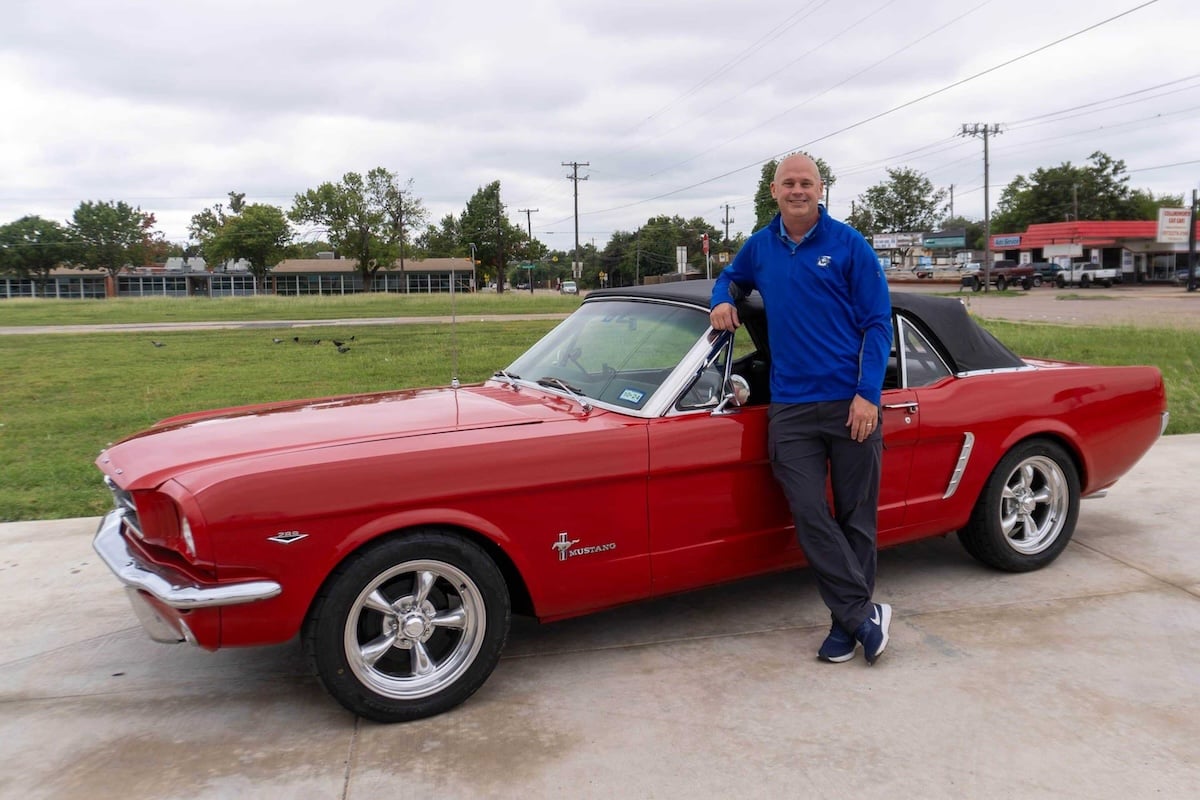
A classic car is never just about the money. It’s the stories, the weekends in the garage, and the pride of keeping something beautiful alive. But it always helps to understand its real financial value. A professional appraisal provides that foundation.
Whether you’re insuring a restoration, settling an estate, or buying your dream car, proper documentation protects everyone involved. The few hundred dollars spent on quality appraisal could save you thousands down the road.
At Wilson Auto Repair, we’ve seen how proper documentation makes the difference between heartbreak and satisfaction when life throws curveballs. While we focus on bringing classics back to life, we always encourage owners to protect their investments with professional appraisals.
Your classic deserves more than a guess at its value. Get the documentation that honors both its worth and its story.
Ready to protect your classic? Start by finding a certified appraiser through the American Society of Appraisers or your collector car insurance company. Your investment and your peace of mind will thank you.